
Why your SRP claims get denied even when the patient clearly needs treatment
🕒 2–3-minute read
If you have ever thought, “They clearly need SRP, why are we getting denied?” you are not alone.
Here is the not so glamorous truth. Many dental plans now use automated claim screening software and AI tools to review perio claims for required documentation. That means your claim is often being checked for specific data points and keywords before any human ever looks at it. If those boxes are not clearly documented, the claim is more likely to be denied or kicked back for more information.¹
The good news is this is fixable. You do not need to become a full-time coder. You just need a tighter documentation system.
Start with the biggest box: radiographic bone loss
Before we spiral about pocket numbers, start here: *you need roots to scale.*¹
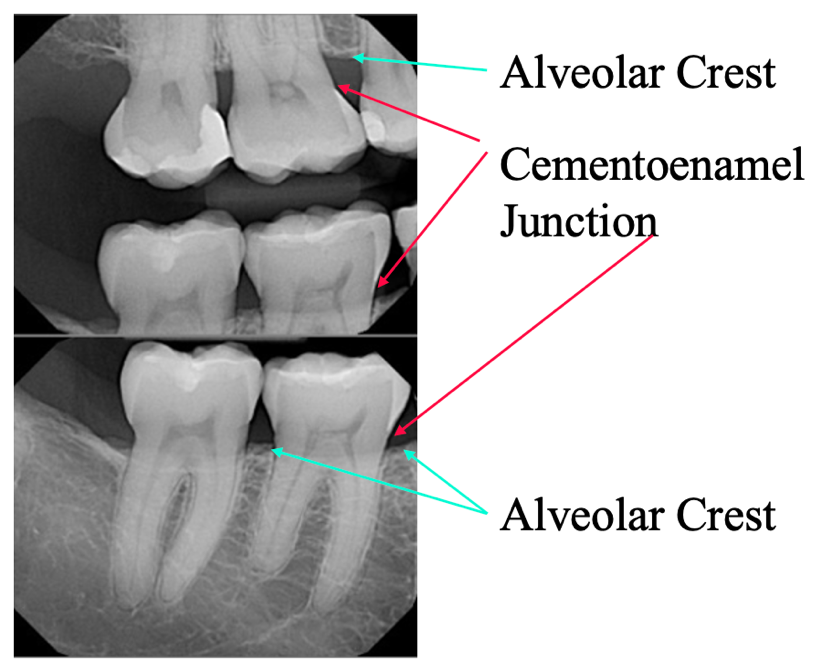
When your claim is missing clear radiographic evidence of alveolar bone loss, many payers treat the documentation as incomplete.
Quick checklist for your radiographs
You are not just clearing contacts.
You can actually see the alveolar crest clearly.
Your images support the areas being treated.
Your narrative mentions radiographic bone loss directly.¹
Keep perspective: radiographs can underestimate true bone loss depending on imaging type and anatomy. One review reported underestimation ranges up to about 32% in panoramic views and up to 23% in bitewings.³
Yes, the pocket depth number matters too
Now the number everyone argues about.
Many plans use pocketing thresholds as part of their documentation checklist. Most policies only require a 4 mm pocket or greater. Four. Not five. 😅¹
Use the language that matches current perio science
Today’s classification frameworks emphasize clinical attachment loss and radiographic bone loss, not probing depth alone.² So your documentation should clearly include:
The phrases that tend to support approval
Clinical attachment loss (CAL)
2018 AAP classification: Stage and Grade²
Radiographic evidence of alveolar bone loss
Active inflammatory periodontal disease and infection
SRP is medically necessary
If recession is present: probing depth can underestimate severity
Copy paste narrative starter
Use this as a claim narrative template and fill in the blanks:
“Patient presents with Stage [II or III] periodontitis per the 2018 AAP classification, with clinical attachment loss of __ mm and radiographic evidence of alveolar bone loss in the treated areas. Due to recession, probing depths may underestimate severity. Root surface debridement is medically necessary to debride contaminated root surfaces and control active inflammatory periodontal disease. D4341 or D4342 is appropriate based on attachment loss, radiographic bone loss, and the need for root surface debridement.”¹²
If your goal is whole-health periodontal care with better acceptance, stronger documentation, and better outcomes, this is exactly what I do: microscope-guided periodontal protocols, team calibration, and documentation that supports claims and appeals. Explore my dental microscope training for hygiene teams: https://www.tosh.care/microscope-training
Stay Awesome,
Tosha, RDH